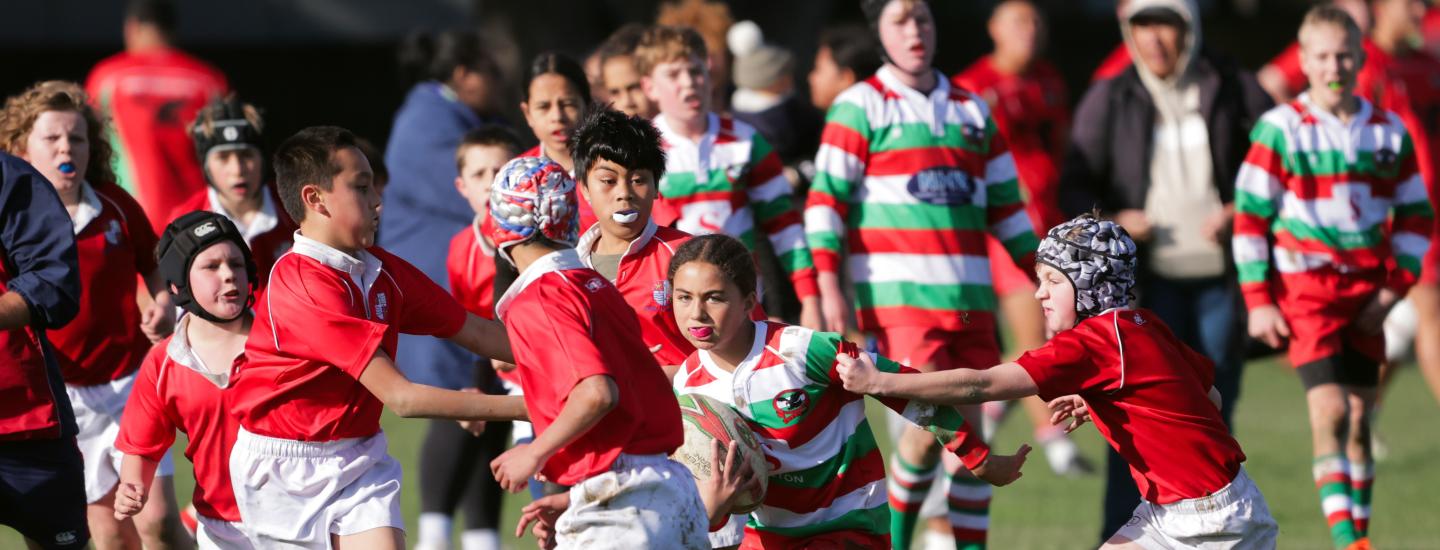
Junior Rugby
Junior Rugby: Start your child's rugby the Kiwi way, with NZ Rugby's official junior development program for years 1 to 8 (ages 5 to under 13).
About junior rugby
Junior rugby is where many young Kiwi players, from Years 1 to 8, have their first experience of the game.
The programme introduces tamariki (children) to rugby in ways that suit their age and stage of development. Players can take part in both non-contact (Rippa) and contact appropriate versions of the game, with the environment set up to help them learn, feel included, and enjoy being involved.
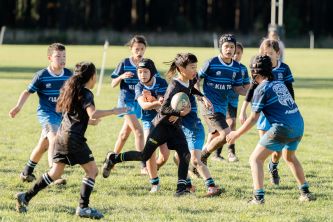
Junior rugby has been serving our community for more than 20 years, introducing tamariki to rugby at a young age. Over the last few years, New Zealand Rugby has been updating the programme, shaping the game around the physical, mental, and social needs of young people.
Since 2020, we have evolved the way junior rugby has been delivered in New Zealand. We are now trialling new guidelines for Years 7 to 9, that continues to put players at the heart of the game and supports players transition from junior rugby through to the full version of the game.
About Junior Rugby guidelines
When the game is set up well, rugby becomes safer, more inclusive, and more enjoyable. By building skills from the ground up, players have more time on the ball, develop new abilities each year, learn at their own pace, and have more fun with their teammates.
 Our Junior Rugby guidelines put tamariki at the heart of the game using a research‑based, constraints‑led approach. By adjusting field sizes, player numbers, rules, and the gradual introduction of contact and set pieces, the game better reflects how children learn, grow, and develop.
The guidelines outline a clear, staged pathway that supports tamariki and young people as they progress through rugby. They are informed by an understanding of physical development, skill acquisition, and the social nature of learning in sport.
The guidelines also explain the research behind the approach, how changes are applied on the field, and why they matter. Together, these guidelines strengthen junior rugby by supporting participation, retention, and the long‑term health of the game.
More information for coaches, referees, parents and players
-
What is Junior Rugby?
Junior Rugby is where many young Kiwi players, from Years 1 to 8, have their first experience of the game.
It’s where tamariki get to run with a ball, pull on a club jersey, eat oranges on the sideline, and most importantly, have fun with their teammates.
The programme introduces tamariki to rugby in ways that suit their age and stage of development. Players can take part in both non-contact (Rippa) and contact appropriate versions of the game, with the environment set up to help them learn, feel included, and enjoy being involved.
Junior rugby is also a meeting place for the community, where whānau come together on weekends, volunteers support young players, and a love for the game can begin. It’s where kids get to play, develop, and learn rugby in an environment that is safe, welcoming, and fun.
-
What are the Junior Rugby guidelines I've heard about?
The Junior Rugby Guidelines is part of a programme transforming the junior rugby system in New Zealand. They provide well‑researched principles that are closely linked to how children develop, applied within a rugby context.
With more organised sports available to children and fewer chances for free, unstructured play, New Zealand Rugby is working to make the game more fun, engaging, and appealing. The Guidelines have been developed with this in mind and clearly articulate the evolving nature of junior rugby. They outline both the current state and the future direction of the junior rugby landscape, ensuring the game better meets the needs of today’s young players.Click here for more about the Junior Rugby guidelines. (PDF, 2.4 MB)
-
What does the game look like for tamariki and young people?
It looks like fun.
While field sizes and team numbers may change, the essence of rugby remains the same. Tamariki and young people still learn to run, catch, pass, tackle safely, and contest for the ball. The game continues to challenge players to work as a team, embrace physicality, stay active, and build the confidence to give things a go.
The difference is that the game is staged more appropriately to support learning, confidence, and enjoyment. As players grow, the number of players on the field increases, the playing area expands, and they gradually learn additional roles, set pieces, and responsibilities.
By matching the level of challenge to a player’s stage of development, the game creates better playing experiences for everyone involved. Players are tested at the right level, coaches can focus more on skill development rather than managing complexity, and referees can oversee the game more effectively. The result is a more enjoyable experience for all.
-
What is taught at each grade?
Junior rugby is all about learning, having fun, and growing a player's love for the game. It provides a positive, social environment where children learn new skills as they grow.
The Junior Rugby Guidelines build on this by making sure fundamental movement skills and basic rugby skills are the foundation of the game for young participants. These skills are the priority and give players more opportunities to run, catch, pass, tackle, and make decisions during games and trainings.
As children grow, develop, and become more confident, rugby‑specific positional skills and roles are gradually introduced. Players are given the chance to explore different positions and only begin to specialise as their physical growth and readiness prepare them for the more technical demands of the game.
-
When is junior rugby offered?
April through to September.
-
What is the commitment level?
The time commitment is very manageable. Most teams train once a week and play on Saturday mornings across a 15-week season.
This small, regular routine offers big benefits. Training and game days help tamariki build teamwork and responsibility while learning the skills of the game. Best of all, it’s a fun way for them to stay active and spend time with their mates.